
How to Make RSO Edibles at Home: A Complete Beginner's Guide
Making RSO edibles at home is part art, part science — but it's far easier than most people think. Whether you're looking to manage chronic pain, dose more precisely than store-bought edibles allow, or just have fun in the kitchen, RSO is one of the most versatile and powerful cannabis ingredients you can work with.
This guide walks you through what RSO is, the best ways to use it in homemade edibles, how to calculate dosage accurately, and a few classic recipes to get started.

What is RSO?
RSO — short for Rick Simpson Oil — is a highly concentrated, full-spectrum cannabis extract made by using grain alcohol to pull cannabinoids and terpenes out of raw cannabis flower. Once the alcohol is evaporated off, what's left is a thick, dark, golden-brown oil packed with THC, CBD, and the full range of the plant's other active compounds.
Most RSO is sold pre-decarboxylated, meaning it's already been heated and is biologically active. You can ingest it directly, mix it into food, or stir it into a drink — no extra preparation needed before it works.
A typical RSO syringe holds 1 gram of oil and contains anywhere from 400 mg to 1,000 mg of THC, depending on the producer and the source flower. Always check the label for the exact THC content before you start cooking.
Why Make Your Own RSO Edibles?
A few reasons home cooks love working with RSO:
Custom dosage. Store-bought edibles are typically capped at 10 mg per serving in Washington. Homemade gives you full control over potency.
Cost savings. A single RSO syringe can produce dozens of edibles, often at a fraction of the price-per-mg of commercial products.
Recipe flexibility. RSO works in baked goods, candies, butters, oils, drinks, and savory dishes.
Therapeutic benefits. Many medical patients prefer the consistent, full-spectrum effects of RSO for managing chronic conditions.
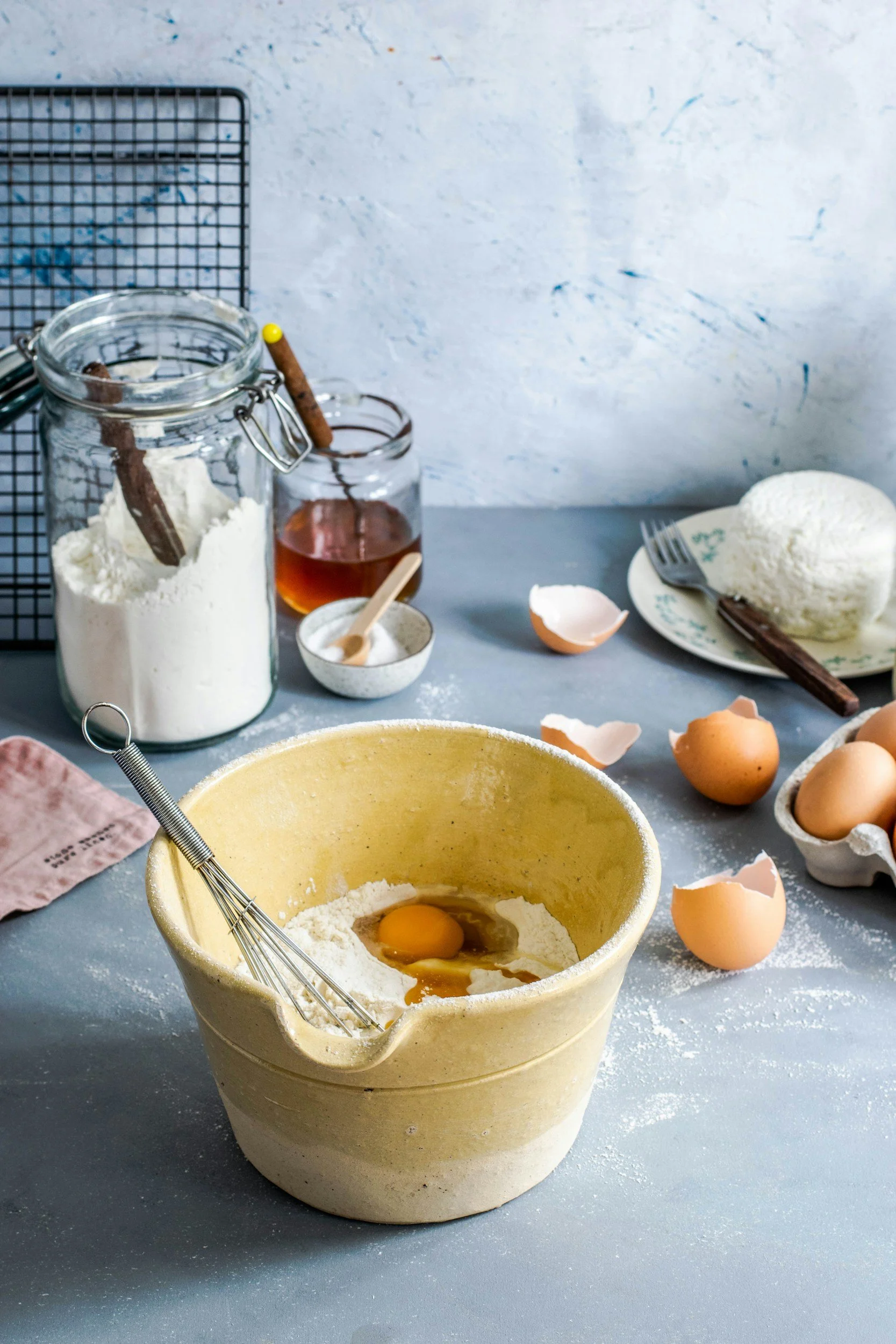
Method 1: Make RSO Canna-Butter (Recommended for Beginners)
This is by far the most versatile method. Once you have RSO canna-butter in your fridge, you can use it in any recipe that calls for butter.
What You'll Need
1 RSO syringe (note the total mg of THC on the label)
1 lb of unsalted butter, softened to room temperature
An electric hand mixer or stand mixer
An airtight storage container
The Method
Step 1: Place the RSO syringe in a cup of hot (not boiling) water for 2–3 minutes. This warms the oil and makes it less viscous, which makes it dramatically easier to incorporate into the butter.
Step 2: Soften the butter to room temperature — don't melt it. You want it soft enough to whip, but still solid.
Step 3: Squeeze the entire RSO syringe into the bowl with the butter.
Step 4: Using your electric mixer on medium speed, whip the butter and RSO together for 2–3 minutes until the oil is fully incorporated and the butter takes on a uniform light-tan color with no streaks.
Step 5: Transfer to an airtight container, label it clearly with the total mg of THC, and store in the fridge for up to a month.
Budtender tip: "I love to whip a pound of butter and a tube of RSO together. An electric mixer makes it really easy and helps the RSO distribute evenly." — One of our Bellevue budtenders
Once you have your canna-butter, you can use it 1:1 in any recipe that calls for butter — brownies, cookies, frosting, garlic bread, mashed potatoes, you name it.
Method 2: Direct Infusion (Faster, Simpler)
If you don't want to make a whole batch of canna-butter, you can also add RSO directly to recipes that already contain fat.
This works best in:
Brownies (mix RSO into the wet ingredients)
Frostings and ganache’s (stir into melted chocolate or buttercream)
Hot drinks (stir into hot cocoa, lattes, or tea with cream)
The key is making sure the RSO is fully dispersed throughout the recipe — RSO is sticky and naturally clumps. Always warm it first, mix it thoroughly into a fat-containing ingredient before combining with the rest of the recipe, and stir well.
Dosage: How to Do the Math
This is the most important section of this guide. Edibles can hit much harder than expected, and the difference between a great experience and a miserable one usually comes down to careful dosing.
The Formula
Total THC in your batch ÷ Number of servings = THC per serving
A Worked Example
Let's say you have:
An RSO syringe with 400 mg of THC
1 lb of canna-butter (made with the full syringe)
A brownie recipe that calls for ¼ lb of butter
The recipe makes 20 brownies
The math:
¼ lb of butter = ¼ of your 400 mg total = 100 mg of THC in your brownie batter
100 mg ÷ 20 brownies = 5 mg of THC per brownie
That's a comfortable, beginner-friendly dose. If you want stronger, use less butter; if you want weaker, use more servings or less RSO.
Dosage Guidelines for Beginners
Experience Level and Suggested Starting Dose
First-time edible user: 2.5–5 mg THC
Occasional user: 5–10 mg THC
Regular user: 10–25 mg THC
High-tolerance: 25 mg+ THC
Always start with one serving and wait at least 90 minutes before considering more. Edibles take longer to kick in than smoking — somewhere between 30 minutes and 2 hours — and the effects can last 4–8 hours.
Tips for First-Time RSO Cooks
A few things we've learned from our budtenders and customers over the years:
Test the recipe first without RSO. Make sure you've nailed the recipe before you commit a $40 syringe of RSO to it.
Mix thoroughly. Uneven distribution is the #1 cause of "this brownie hit me and that one didn't." Whisk like you mean it.
Keep RSO temperatures below 350°F. THC degrades at high temperatures. Most baking recipes are fine, but avoid frying or anything that gets hotter.
Label everything clearly. Include total mg of THC, mg per serving, and the date. Use a permanent marker.
Store out of reach of children, pets, and unsuspecting roommates. This isn't optional — it's the law and it's basic safety.
Different strains, different effects. A 10 mg dose of an indica RSO won't feel the same as 10 mg of a sativa. Pay attention to the entourage effect.
Frequently Asked Questions
Do I need to decarboxylate RSO before cooking? Most commercial RSO sold at licensed Washington dispensaries is already decarbed and ready to use. Always check the label, but in nearly all cases — no, you don't need to decarb it yourself.
Can I just eat RSO straight? Yes. Many medical patients place a small dose (about the size of a grain of rice) directly under the tongue or onto a piece of food. This works fine, but the taste is intensely earthy and bitter — most people prefer to mix it into food.
How long do RSO edibles last? Stored in an airtight container in the fridge, RSO-infused butter lasts about a month. RSO-infused baked goods last as long as the baked good would normally — typically 3–5 days at room temperature, longer in the fridge or freezer.
Why do edibles hit harder than smoking? When THC is processed by the liver (which happens with edibles), it converts into 11-hydroxy-THC — a metabolite that is significantly more potent and longer-lasting than the THC delivered by smoking. This is why a 10 mg edible can feel as strong as a much larger amount of flower.
Are RSO edibles legal in Washington? Yes — making edibles for personal use with cannabis purchased from a licensed Washington dispensary is legal. Selling or distributing homemade edibles is not.
What's the difference between RSO and FECO? FECO (Full Extract Cannabis Oil) is essentially the same product. Both refer to a full-spectrum, alcohol-extracted cannabis concentrate. The terms are often used interchangeably.
Looking for High-Quality RSO in Bellevue or Bremerton?
Great edibles start with great RSO. At The Novel Tree, we carry a carefully selected lineup of RSO products from Washington's top producers — both medical-grade and recreational, in a range of strains and potencies. Our budtenders can help you choose the right RSO for your goals, whether you're cooking for the first time or scaling up a daily medical routine.
If you're working with concentrates, kief is another easy one to keep on hand.
Shop Bellevue Menu | Shop Bremerton Menu
Have questions? Stop by either location and ask any of our budtenders — we love talking edibles.